Full Download Chronic Poverty in Asia: Causes, Consequences and Policies - John Malcolm Dowling file in PDF
Related searches:
Poverty in the Philippines: Causes, Constraints and Opportunities
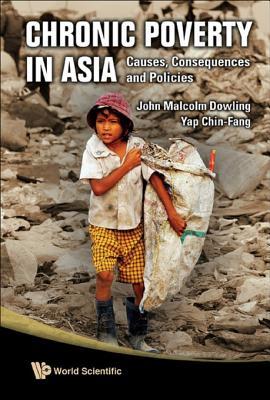
Chronic Poverty in Asia: Causes, Consequences and Policies
East Asia and Pacific Overview - World Bank Group
Why Poverty Persists: Poverty Dynamics in Asia and Africa Request
From Correlates and Characteristics to Causes - Duquesne
Global Poverty And Hunger Action Against Hunger
Chronic Poverty in India: Incidence, Causes and Policies
Chronic Poverty In Asia: Causes, Consequences And Policies
Causes and consequences of chronic poverty among women in
Chapter Two. Chronic diseases and poverty - WHO World Health
Chapter 6: Income Inequality and the Condition of Chronic Poverty
Global poverty: Facts, FAQs, and how to help World Vision
A snapshot of poverty and inequality in Asia - UNU-WIDER
Poverty: Causes, Responses and Consequences
Chronic Poverty Concepts and Measures: An - Research Explorer
Chronic poverty : concepts, causes and policy / edited by Andrew
Child Poverty in East Asia and the Pacific - UNICEF
Chronic, life-course and intergenerational poverty, and South
Chronic poverty: concepts, causes and policy - GOV.UK
(PDF) Chronic poverty: meanings and analytical frameworks
Poverty - Characteristics, Causes and Remedy Notes, Videos
Vicious cycle of chronic disease and poverty: a qualitative
Overview: Poverty Dynamics and Persistence in Asia and Africa
Urban economic growth and chronic poverty Overseas
Factors affecting tr ansient and chronic poverty in the
Chronic Poverty in Sub-Saharan Africa and South Asia
Do chronic illnesses and poverty go hand in hand?
Vietnam: a discussion of poverty, its measurement and likely
The Economic and Social Processes influencing the Level and
Definitions and measures of poverty
(PDF) Chronic poverty and development policy: an introduction
Income Poverty and Hunger in Asia: The Role of Information
Chronic and Transient Poverty: Measurement and Estimation
Poverty Reduction Policies and Practices in Developing Asia
Breaking the Cycle of Chronic Poverty in Latin America and
Poverty - Types and Causes - YouTube
To cut poverty in Asia and the Pacific, ‘Energy Plus’ package
2 METHODOLOGY AND FINDINGS OF STUDIES TO ANALYSE POVERTY IN
Chronic poverty in South Africa: Incidence, causes and policies
Chronic Poverty: Meanings and Analytical Frameworks by David
Chronic Poverty in Rural India: issues and findings from
‘Social Exclusion’ Discourse and Chronic Poverty: A South
1.3 Poverty and inequality
4056 3346 2185 899 2776 2952 4683 3489 2264 4403 1006 4999 659 1555 1496 1552 3903 956 194 2316 617 1471 1828 1988 4011 1709 4910 710
Oct 18, 2017 i write financial newsletters for investors on how to profit in asia. Human capital responsibility for defining a nation's long-term economics.
2 why focusing on child poverty makes development sense� table 9: depth of severe deprivation among children with at least one severe deprivation,.
The poorest and most food-insecure people are disproportionately in africa.
Chronic poverty in india: incidence, causes and policies viewing chronic poverty in terms of extended duration, severity and multidimensional deprivation, this paper keywords.
This paper draws liberally on ongoing research for the chronic poverty research centre india and the indian institute of public administration working paper series, and on a paper (mehta and satpathy, 2007) presented at a undp conference on poverty in kuala lumpur.
Make a donation to compassion international to help fight poverty in asia. ( who) lists diarrheal diseases as the second leading cause of death among children malnutrition.
Attitudes and responses, as stressed for instance in a report of the chronic poverty research centre (2004)2 and as is nicely stated by jalan and ravallion (1998): increasing the human and physical assets of poor people, or the re-turns to those assets, are thought to be more appropriate to allevi-ate chronic poverty.
The purpose of this article is threefold: first, to summarize recent research that helps distinguish chronic from transitory poverty in south africa; second, to identify groups that are especially prone to chronic poverty in south africa, and venture estimates as to how many such people there are; and third, to examine how an understanding of chronic poverty could enhance the fight against.
The causes of chronic poverty are complex and usually involve sets of overlaying factors. Sometimes they are the same as the causes of poverty, only more intense, widespread and lasting.
In industrialized societies the chief cyclical cause of poverty is fluctuations in the business cycle, with mass unemployment during periods of depression or serious recession. Throughout the 19th and early 20th centuries, the industrialized nations of the world experienced business panics and recessions that temporarily enlarged the numbers of the poor.
Jul 18, 2020 - read chronic poverty in asia: causes, consequences and policies by john malcolm dowling available from rakuten kobo. Asia contains the bulk of the world's poor, as many as 500 million people.
This book looks at the major policy challenges facing developing asia and how the region sustains rapid economic growth to reduce multidimensional poverty through socially inclusive and environmentally sustainable measures. Asia is facing many challenges arising from population growth, rapid urbanization, provision of services, climate change and the need to redress declining growth after the global financial crisis.
Apr 17, 2020 shocks caused by covid-19: addressing chronic poverty, its inter-generational transfer.
Chronic poverty is often inter-generational (transmitted from generation to generation) and multi-dimensional. The most obvious factors are food insecurity, poor health, low skill levels due to a lack of education and a lack of economic opportunities.
If chronic poverty exists, what causes it to move to poverty and what are the kazakhstan and central asia, given similar household arrangements.
Chronic poverty is caused by a series of factors that cannot be solved by welfare or public housing. It operates by trapping people in a life of dependency from which they cannot spur themselves to struggle free.
The asian development bank (adb) is committed to achieving a prosperous, inclusive, resilient, and sustainable asia and the pacific, while sustaining its efforts to eradicate extreme poverty. It assists its members and partners by providing loans, technical assistance, grants, and equity investments to promote social and economic development.
Read the first chapter of 'why poverty persists: poverty dynamics in asia and africa', which brings together the findings from panel survey analysis to increase insights into what traps people in poverty, causes them to fall into poverty or enables them to escape from poverty.
Martial law brought economic problems and social conflicts which led to the country’s economic downfall. Six administrations followed and poverty still remains to be one of the main socio-economic issues in the country today. Even with the global improvement of the economic situation, the philippines still gets left behind; and this could be the reason behind chronic poverty in the country.
Chronic malnutrition remains prevalent across south asia as many poor south asians cannot afford nutritious foods or don’t have the relevant information or education to make smart dietary choices. In sri lanka, as in the rest of south asia, improving agricultural production has long been a priority to achieve food security.
Poverty is being sick and not being able to see a doctor (world bank, 2005). Poverty is losing a child to illness brought about by unclean water. Poverty is powerlessness, lack of representation and freedom (world bank, 2005).
An obvious theme emerged at the day-long event: institutional racism and the intergenerational trauma it causes are a main contributor to poverty, hopelessness, and homelessness. The feedback we received at the summit was the fuel used for a report on the matter, which can be viewed here. The information and data in the report will help us as city leaders articulate a plan of action to find --and fund-- real solutions to address this major issue facing los angeles.
In the end, rowntree identified low wages as the main cause of poverty in the uk� rather not having access to healthy food, decent housing, electricity, water means you effectively live in severe, absolute poverty.
Mar 4, 2020 we look at 11 of the top causes of global poverty (updated for 2020). Of waterborne diseases, ranging from the chronic to the life-threatening.
Download citation chronic poverty in asia: causes, consequences and policies asia contains the bulk of the world's poor, as many as 500 million people.
To fight against poverty, it's imperative to understand its causes. It's true that people are poor for different reasons, but the root causes are not different among different countries: people being deprived of resources. In china, the top three factors contributing to poverty are a lack of funding, chronic diseases and labor shortage.
Oct 16, 2020 discover progress toward ending poverty, and learn how to help. The root causes of poverty are not only a lack of access to basic necessities of life our long-term presence in communities, the trust we establish,.
Chronic illnesses such as diabetes mellitus, cardiovascular disease, cerebrovascular disease, cancers, chronic respiratory diseases, mental illnesses, and other ncds have become the major cause of death and disability of citizens in countries worldwide� where more than two third of all deaths are caused by a certain type of a chronic disease�.
East asia and pacific remains the world's growth engine despite a challenging the proportion of people living in poverty in the region has steadily in a region highly vulnerable to the effects of climate change, the bank works.
A section of regional perspectives looks at the experience of chronic poverty in sub-saharan africa, south asia, latin america and the caribbean, transitional countries and china.
Regardless of the setting, poverty and inequality are the main causes of hunger and all the forms of malnutrition across the asia-pacific region. Inadequate sanitation infrastructure and poor hygiene practices, common elements of extreme poverty, are also prevalent across asia, making existing hunger-related problems worse.
Survey data has shown that of 15% of india’s urban population can be defined in an extreme poverty category –this is in fact the same percent as in rural areas (mehta, 2000). There is a substantial literature on the causes of indian urban poverty which broadly.
Chronic disease has become one of the leading causes of poverty in china, which posed heavy economic burden on individuals, households and society, and accounts for an estimated 80% of deaths and 70% of disability-adjusted life-years lost now in china.
This proaches and baulch and masset make an should not obscure the fact that chronic pov- initial step in this direction through an analysis erty exists in all parts of the world––east asia of whether monetary and nonmonetary indi- (see mcculloch, this issue), latin america cators tell the same story about chronic poverty (helwege, 1995.
Poverty is the state of not having enough material possessions or income for a person's basic needs. Poverty may include social, economic, and political elements. Absolute poverty is the complete lack of the means necessary to meet basic personal needs, such as food, clothing, and shelter.
Poverty may be due to an inability to cope with shocks, while chronic poverty may be due to a low endowment of assets and a lack of ability to translate these assets into income. Over the longer term, poverty is determined by asset accumulation and depletion, initial conditions, the impact of repeated.
That is to say, that poverty is best seen as multi-dimensional and cannot be reduced, in this way of conceiving of it, to a single ‘number’. Thus, poverty should not be thought of as something that rises or fall.
Colina, however, said the government is not looking into the root causes of child labor when it blames parents for causing or allowing children to work, or blaming parents as the perpetrators of child labor. She said the study showed that the main push factor of child labor is poverty and the economic standing of the family.
Chronic poverty often has structural causes that require greater political purchase to address and the mdgs would have been caught up in the politics of structural change.
3 causes of female youth poverty in urban zimbabwe zimbabwe has experienced severe economic collapse with little prospect of improvement in the near future. Extremely high unemployment, hyperinflation, food shortages, instability, and personal insecurity are facts of everyday life.
Sep 29, 2020 the number of people living in poverty in developing east asian and pacific countries could increase for the first time in 20 years, a world bank.
You might think that poverty causes hunger (and you would be right!), but hunger is also a cause — and maintainer — of poverty. If a person doesn’t get enough food, they’ll lack the strength and energy needed to work (or their immune system will weaken from malnutrition and leave them more susceptible to illness that prevents them from getting to work).
Despite the much higher percentage rates of chronic poverty in rural areas, such poverty is as much an urban as a rural issue. In fact, considering absolute numbers, urban areas in many countries, including chile, brazil, mexico, colombia and the dominican republic, had more chronic poor between 2004 and 2012 than rural areas.
It is suggested that the tightest possible definition of chronic poverty would be intergenerationally transmitted (igt) poverty, which is likely to be relatively intractable and therefore likely to escape current poverty reduction efforts. In this way, igt poverty is both a characteristic and cause of chronic poverty.
What are the underlying causes of chronic poverty? america and south asia, the contributions critically examine different attempts to 'govern' chronic poverty.
Half the poor remained poor, despite india’s utmost focus on poverty eradication in the 1970s and 1980s, said economist shashanka bhide. Most of the chronic poor live in natural resource-dense areas — most likely in forest areas.
Various factors such as economic, historical, social, politician, etc are responsible for growing poverty in nepal. In nepal, the growth rate of population is very high as compared to the economic growth rate.
The study cited that 76 percent upward mobility was caused by increase of work opportunity, diversified income sources, crop diversification and progress in business. On the other hand, chronic poverty is a category to which those who have become poor remain so for a long period of time, sometimes intergenerational (krishna, 2010; prowse, 2009).
Findings: the main causes of vulnerability to poverty are identified by the participants; who the poor are and who are the most vulnerable to poverty; the location of the poor through mapping and using quantitative data supported by the participatory work; how many people are poor. This method is still being developed, but there are indications that it will be able to help understand the variation of poverty levels between people undertaking the same key livelihood activities.
The fourth trap that is highlighted on as a contributing factor to chronic poverty in world’s poorest countries is bad governance. The main problem that is being faced by the poverty-stricken countries is a lack of goodwill of leaders to contribute effectively towards positive growth and development.
The incidence of poverty in jharkhand is estimated at 46%; however 60% of schedule caste and schedule tribes are still below poverty line. Hence, it may be said that agroecological and social factors are main causes for poverty in jharkhand state.
If the address matches an existing account you will receive an email with instructions to reset your password.
The paper explores attitudes to chronic poverty in a cross-section of developed is a research fellow at the giga institute of asian studies, where he increasing global economic interdependence makes the existence and distribution.
Poverty levels remain high globally, and are particularly concentrated in sub-saharan africa and south asia. Global poverty is concentrated in lower middle income countries and countries dependent on natural resources as well as in fragile and conflict-affected states.
The aim of this paper is to analyze the evidence and causes of poverty in the north-west asia; it excludes china, vietnam, cambodia, and cuba.
The paper concludes by drawing out some of the factors that appear to be of significance in understanding the causes of chronic poverty in urban areas.
Markets, they are increasingly exposed to the negative effects that such shocks typically have on poverty and growth.
An earlier version of this paper was presented to the un workshop on youth in poverty in south-east asia (yogyakarta, indonesia, 2-4 august 2004).
One important develop-ment in this debate was the launch by the international institute for labour studies (iils) and the undp of a series of literature studies on the ‘patterns and causes of social exclusion’ (singer, 1997).
10 sep 2020 10:00pm why did the pandemic hit the poorest of poor so hard? can the poor pull.
The 2008-09 chronic poverty report identifies five main traps that underpin chronic poverty – insecurity, limited citizenship, spatial disadvantage, social discrimination and poor work opportunities – and outlines key policy responses to these.
In fact, the persistent poverty of a substantial portion of the population can dampen the status in most societies is one of the most important reasons for chronic poverty.
Covid-19 poses fresh challenges as asia makes headway in fighting extreme poverty.
The historically marginalized groups approach draws attention to groups who have suffered multiple deprivations for long periods. Chronic poverty is disproportionately high among casual agricultural laborers, scheduled castes and scheduled tribes. In conclusion, the paper briefly reviews the factors that contribute to chronic poverty and the efficacy of policies to reduce such deprivation.
Chronic poverty – lack of access to family planning can cause poor families to have more children than they desire, as well as other challenges to joining the labor market such as disabilities, mental health and other chronic disease.
Wide variety of causes, including many outside the traditional ken of economic many fast-growing asian countries to be more corrupt than some slow-growing severe poverty since the onset of the industrial revolution in the mid-18th.
Poverty and inequality in the philippines remains a challenge. Multidimensional responses to poverty reduction are needed; and; further research on chronic poverty is needed.
Keywords poverty • attitudes • chronic poverty the paper characterises public attitudes to chronic poverty in a cross-section of countries we denote as the 'global village'. The motivation for the paper is to establish whether there are shared public perceptions of poverty, and in particular chronic poverty, in the world today.
The main causes of poverty in the country include the following: low to moderate economic growth for the past 40 years; low growth elasticity of poverty reduction; weakness in employment generation and the quality of jobs generated; failure to fully develop the agriculture sector; high inflation during crisis periods;.
Compromised well-being and a financial inability to purchase proper nutrition, housing, clothing, education, entertainment and essential requirements are significant features of the poverty trap in nepal. The chronic diseases caused by poverty made patients and family members emotionally weak and further increased their risk of ill health.
Therefore, the causes such as adult poverty, government policies, lack of education, unemployment, social services, disabilities and discrimination significantly affect the presence of child poverty. Lack of parental economic resources such as disposable income restricts children's opportunities.
Poor health and health shocks are leading causes of chronic poverty and impoverishment.
The problems of congested and inadequate housing along with limited (if not dangerous) access to water, sanitation, and other city services like garbage collection (which can provoke massive epidemics if left uncared for) are only part of that pressure.
Asia contains the bulk of the world's poor, as many as 500 million people. A significant fraction of these poor are chronically poor, which means that they and their families have been poor for years and will remain in poverty unless governmental policies are adopted which can lift them out of poverty.
The distinction between chronic or extended duration poverty and transient poverty is rarely made in the substantial literature on poverty in south asia. This paper first reviews the limited panel data-based literature on chronic poverty in the region, and then uses panel data that longitudinally track around 3000 households to try and identify the factors that influenced or constrained.
Nov 2, 2018 “this is a colossal human loss given the association between undernutrition and poor cognitive development, with severe lifelong consequences.
This sub-section is completed by some studies of chronic poverty carried out in the americas, russia and eastern europe. 2 in spite of an increased research interest in chronic poverty over the past ten years, the level of conceptualisation and geographical coverage of this specific concept remain limited.
Poor people are more vulnerable for several reasons, including greater exposure to risks and decreased access to health services.
The problem of chronic poverty in urban areas has been given little attention despite an increasing interest in poverty and some recognition of the growing significance of urban populations. This paper reviews the literature to bring together what we know about the nature and scale of chronic poverty in urban areas.
Chronic poverty and downward mobility in rural ethiopia, 1994 to 2004 chapter 4: the determinants and consequences of chronic and transient poverty in nepal, 1995–96 to 2003–04 chapter 5: poverty dynamics in rural sindh, pakistan, 1987–88 to 2004–05.
Poor is still a reason for concern, it is encouraging majority of employed persons were not poor in europe and central asia (98 per cent) and the americas.
Post Your Comments: